If you want to dramatically alter the appearance of your nose, our Sacramento plastic surgeon may recommend rhinoplasty. This procedure is celebrated for its ability to bring balance to the face and increase confidence. In the hands of a qualified provider like Dr. Perry, rhinoplasty can reduce or increase the nose’s size, change the shape of the tip, narrow the nostrils’ width, remove a bump, or change the angle or distance between the nose and the upper lip. Dr. Perry can also use surgical techniques to address breathing problems (namely a deviated septum). Rhinoplasty is often utilized during a facelift as well to create a more youthful appearance. Continue reading for information about the advanced nose surgery options at Chrysalis Cosmetics.
Quick Facts About Rhinoplasty Procedures
- Sedation: General or local anesthesia*
- Inpatient/Outpatient: Outpatient
- Potential Benefits: A more proportionate and aesthetically pleasing nose; reduction of breathing concerns
- Recovery: Patients can usually return to work after one to two weeks; exercise and strenuous activity should be avoided for about six weeks, and contact sports for six months
- Cost: From approximately $13,000 to $15,000
- Rhinoplasty Candidates
- Complementary Procedures to Rhinoplasty
- Septoplasty
- Ethnic Rhinoplasty
- Revision Rhinoplasty
- Dorsal Preservation Rhinoplasty
- Rhinoplasty Procedure
- Rhinoplasty Recovery
- Rhinoplasty Cost
- Rhinoplasty Risks
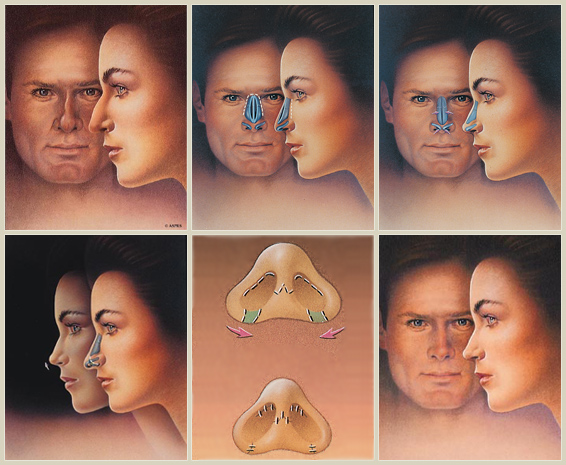
Am I a Candidate for Rhinoplasty?
The ideal candidate for rhinoplasty is healthy, mentally stable, and expects an enhancement (not perfection) in the appearance of their nose. Rhinoplasty is not recommended for:
- Individuals with unrealistic expectations
- Individuals that have not completed their growth spurt (surgeons generally wait to operate on girls until they are 14 or 15, and on boys a little after that)
- Individuals suffering from certain medical conditions
- Individuals with substance abuse problems that involve cocaine or other vasoconstrictive drugs (use of these drugs puts patients at risk for major complications, including poor wound healing and nasal septal perforation)
**Disclaimer: If you are a smoker, you MUST DISCONTINUE smoking a minimum of 4 weeks BEFORE & AFTER SURGERY. A nicotine test will be administered.**
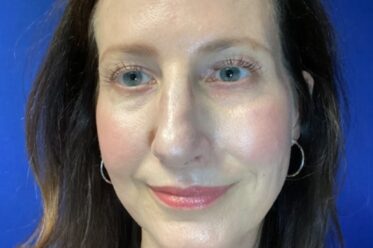
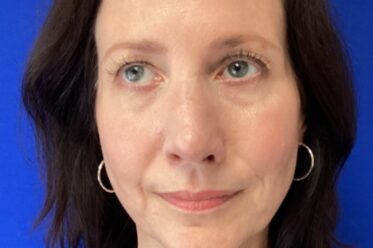
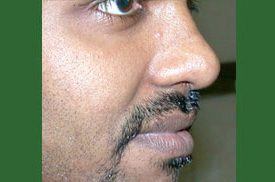
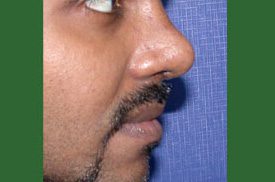
Our Patient Photos*
Complementary Procedures to Rhinoplasty
It is extremely common for rhinoplasty to be performed at the same time as eyelid surgery, facelift surgery, or another facial plastic surgery procedure. Additionally, Dr. Perry is frequently able to combine nose surgery with body or breast enhancement options, such as brachioplasty or a breast lift with implants.
What Is Septoplasty?
The term “septoplasty” is often used interchangeably with rhinoplasty; however, these are distinct techniques.
A septoplasty procedure aims to correct a deviated septum, or a displacement of the bone and cartilage that separates the nostrils. This condition – which may be the result of genetics, injury, or disease – can cause breathing difficulties and contribute to an uneven appearance of the external nose. While nearly everyone has some imbalance in the size or appearance of their breathing passages, individuals with a more pronounced difference may find this effect to be undesirable or uncomfortable.
Depending on the extent of the displacement, septoplasty may be performed on its own or combined with rhinoplasty to address multiple concerns at once. Dr. Perry and our skilled team can tailor your procedure to produce the best outcome possible.
What Is Ethnic Rhinoplasty?
Dr. Perry recognizes that there is no single standard of beauty. Every person has unique cosmetic goals that are influenced by their age, race, ethnicity, cultural background, gender, and other factors.
With this philosophy in mind, Dr. Perry takes the time during your consultation to discuss what you like and dislike about your nose, while carefully considering your unique features. He believes ethnic characteristics are beautiful and understands that respecting these inherent variations is essential for achieving natural-looking, aesthetically pleasing effects. Drawing on his extensive experience performing rhinoplasty for African-American, Asian, Middle Eastern, and Caucasian patients, Dr. Perry customizes each treatment plan to suit the individual’s anatomy and aesthetic goals.
What Is Revision Rhinoplasty?
Rhinoplasty requires a high level of technical precision, experience, and aesthetic sensibility to achieve natural, harmonious results. Unfortunately, not every rhinoplasty yields the desired outcome, whether due to surgical technique, healing complications, or misaligned expectations. If you are dissatisfied with the effects of a previous nose surgery, Dr. Perry offers revision rhinoplasty to correct and refine the appearance and function of your nose.
Revision rhinoplasty is typically more complex than a primary procedure, as it often involves addressing scar tissue, structural weaknesses, or irregularities left by prior surgery. With his advanced surgical skill and keen artistic eye, Dr. Perry carefully evaluates each patient’s concerns and develops a customized revision rhinoplasty plan aimed at improving both the aesthetics and functionality of the nose.
What Is Dorsal Preservation Rhinoplasty?
This is a newer technique utilized to preserve the dorsal lines of the nose. It requires less change to the roof of the nose and can provide a beautiful result through open or closed techniques. It can be used to straighten a crooked nose and reduce the size of the nose, as well as improve tip projection and symmetry. Piezotomes or ultrasound instruments are often used to make the nasal bone incisions with precision and less trauma than the traditional wraps or bone saws.
How Is Rhinoplasty Performed?
Rhinoplasty is a highly customizable surgery, and the method used varies depending on the needs of the patient. There are two main approaches to completing rhinoplasty surgery: open rhinoplasty and closed rhinoplasty.
Open Rhinoplasty
In the majority of cases, Dr. Perry uses the open rhinoplasty technique, in which the procedure is performed through a small incision made across the small strip of tissue between the nostrils. This approach is generally best suited for more extensive and complex rhinoplasty surgeries.
Closed Rhinoplasty
Less complicated procedures are frequently completed using the closed rhinoplasty strategy, which involves an incision along the inside of the nostril to allow all surgical adjustments to be made from within the nose.
While closed rhinoplasty tends to produce a virtually scarless result, the open rhinoplasty incision is so small and often heals so well that it becomes unnoticeable following full recovery. Furthermore, cartilage grafts — which use tissue harvested from the nose, ear, or another part of the body — are sometimes incorporated to reshape the nose.
What Is Rhinoplasty Recovery Like?
The healing process is an essential part of achieving the best possible outcome. The surgery is performed as an outpatient procedure, which means you should be able to return home the same day. We invite you to rest and relax, taking between one to two weeks off from work and your normal schedule.
You must keep your head elevated at all times, including during sleep (we can recommend some types of pillows and other tips to do this comfortably). Swelling and bruising are to be expected, and they should subside as you recover. Most patients only have significant bruising for the first three to five days, and the swelling should also reduce rapidly. Some minor swelling can continue for up to a year, but this effect will likely not be noticeable to you after the first month. We can prescribe medication to manage any discomfort, and we will monitor your progress to ensure the best possible outcome. Moreover, because results generally take a year to fully appear, patients must wait that long after surgery before pursuing a revision rhinoplasty.
To make your rhinoplasty experience a positive one, we have prepared this comprehensive list of instructions. We recommend that you read them over as soon as your surgery day is scheduled and have them at the ready throughout your procedure and recovery.
Rhinoplasty Instructions (printer-friendly)
How Much Does Rhinoplasty Cost?
The total cost of rhinoplasty at our practice usually ranges between $13,000 and $15,000; however, please be aware that this range is general. Pricing for rhinoplasty is contingent upon factors such as the surgeon’s fee, anesthesiology and medical facility fees, the complexity and extent of the treatment, and other associated components. Please also note that while nose surgery will not be covered by insurance when performed for cosmetic reasons (i.e. rhinoplasty), septoplasty may be partially covered, as it aims to improve breathing.
We want you to feel comfortable, confident, and well-informed before your surgery. The full cost of your treatment plan will be reviewed during your consultation, and we welcome any questions or concerns. In addition, we offer a range of financing options available for qualified applicants through reputable third-party lending agencies. We can help you determine the right one for your lifestyle, budget, and needs at the initial consultation, as well.
What Are the Risks of Rhinoplasty?
Although rhinoplasty is a popular procedure that typically delivers satisfying effects, all surgeries carry some degree of risk. Below is a list of potential complications associated with rhinoplasty. Rest assured that Dr. Perry will discuss these and any additional considerations with you in detail.
Bleeding
In rare cases, bleeding problems occur during or after surgery. To reduce the chances of bleeding problems, avoid aspirin and other anti-inflammatory medications for two weeks before surgery. In extreme cases, hematoma (accumulation of blood under the skin) can cause scarring and delay healing.
Infection
Though unusual, infection can occur after rhinoplasty, and may require antibiotics or some other treatment. If cartilage grafts are used during surgery, infection may require their removal.
Scarring
It is possible for this surgery to cause abnormal scarring in the skin and the nose’s deeper tissues. In addition, sutures can leave visible marks. Scarring can sometimes be treated with additional surgery.
Damage to deeper structures
Nerves, blood vessels, and cartilage can be damaged during rhinoplasty. This injury can be temporary or permanent, depending on the specific technique and extent of the procedure.
Numbness
Rhinoplasty carries a risk for permanent numbness of the nose. This loss of feeling can be partial or complete, and it is impossible to predict.
Asymmetry
As the human face is normally asymmetrical, perfect symmetry following rhinoplasty cannot be expected and asymmetrical effects, although rare, are possible. Note that asymmetry can sometimes be treated with laser therapy.
Nasal airway alterations
While Dr. Perry will take care to preserve (and, if necessary, improve) the passage of air through your nose during rhinoplasty, nasal septal perforation is possible.
Delayed healing or wound disruption
Some areas may heal slowly or abnormally following rhinoplasty, and areas of skin may die. This necessitates frequent changes of the wound dressings, or further surgery to remove dying tissue.
Long-term alterations in appearance
Factors unrelated to rhinoplasty, such as aging and sun exposure, can affect the appearance of your nose. In some cases, future surgery will be needed to maintain the results of rhinoplasty.
Complications with cartilage grafts
If the goal of surgery is to alter the appearance of the nose’s tip, cartilage grafts may be needed, and these can introduce complications. Nasal septal perforations can occur, as well as complications of the donor site, such as scarring, infection, and numbness.
To learn more about rhinoplasty, septoplasty, or our other surgical options, we invite you to contact Chrysalis Cosmetics today.
Complete Pre- and Post-Operative Instructions for Rhinoplasty Patients
To make your rhinoplasty experience a positive one, we have prepared this comprehensive list of instructions. We recommend that you read them over as soon as your surgery day is scheduled. On your surgery day, print them out and bring them with you.
*Individual Results May Vary