Structural fat transfer is an increasingly popular minimally invasive method for rejuvenating facial and body contours. Medically known as autologous fat transfer, this technique uses natural fatty tissue to enhance volume and recontour the targeted area for improved lines and shaping. Dr. Charles Perry, our board-certified plastic surgeon, offers this approach to help patients achieve their goals in a state-of-the-art way.

Explore Topics On This Page:
What Is Fat Transfer?
 Fat transfer uses the patient’s own excess fatty tissue to augment or enhance certain body features, or to fill in the face to combat facial hollowness attributed to aging, trauma, or infection. At Chrysalis Cosmetics, fat transfer produces facial augmentation results that are as dramatic as those achieved with the surgical placement of facial implants. The volume can feel and move naturally to provide a beautiful result.
What Are the Pros and Cons of Fat Transfer?
The advantages of the fat transfer method are numerous. Fatty tissue is soft, and its use in filling areas of volume loss or lack allows for a natural appearance and feel. In addition, there is no risk of the substance being rejected or causing an allergic reaction, since the only material used for enhancement is the patient’s own tissue.
Carefully placed fat injections can be used to correct facial scars, minimize the appearance of fine lines and creases, restore volume to hollows caused by aging and the aggressive removal of under-eye bags during eyelid surgery, and similar facial concerns. Additionally, fat transfer can enhance feminine curves and create a more sculpted figure in men and women. In short, excess fat can be used to improve the appearance of nearly any area of the body that could use extra volume and improved shaping.
What Areas of the Body Can Fat Transfer Improve?
Three primary areas are the most commonly chosen for fat transfer: the face, breasts, and buttocks. Additionally, we have placed fat in the lower leg for calf augmentation and in the arms for biceps and triceps enhancement. If you have any questions about whether fat transfer is suitable for your desired outcome, Dr. Perry can provide additional insight during the initial consultation.

Fat Transfer Breast
Breast implants are typically used to enhance the shape and the volume of the breasts, but now fat transfer can help address common concerns and enhance the outcome of breast surgery with more natural-looking effects than ever before. Symmetry issues, reconstruction after cancer, and augmentation can all be improved with the use of fat transfer.

Fat Transfer Buttocks
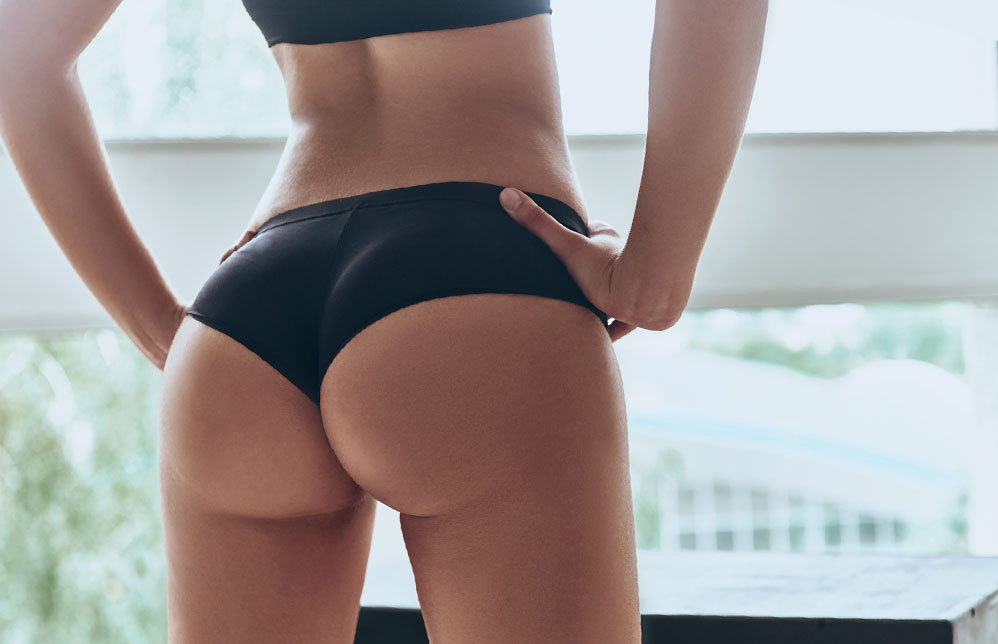
Enhance the shape, increase the volume, and improve the silhouette with fat injections to the buttocks. Rather than using foreign substances or implants, Brazilian butt lift offers natural-looking results using your own excess fatty tissue. Dr. Perry can also refine the waistline, hips, and flanks to create a sculpted look, whether you’re going for an effect that’s more feminine or more masculine.

Fat Transfer Face
In addition to a broad array of cosmetic injectables, fat transfer can be used to soften fine lines and wrinkles, restore volume, and achieve a more youthful appearance, with or without a facelift. Most patients choose to utilize fat transfer injections along with a surgical facial procedure, as liposuction will be needed to harvest the fatty tissue and combining treatments can save downtime. If you’re interested in this approach, Dr. Perry will provide additional details at your initial consultation.
Who Is a Good Candidate for Fat Transfer?
The ideal candidate for fat transfer is a healthy, mentally-stable adult seeking to add volume to the face or body in order to correct for the effects of aging, disease, trauma, and genetics. Many patients are excellent candidates for this technique; however, not everyone is well-suited to its use. Fat transfer is not recommended for people with unrealistic expectations. This process can yield impressive results, but only if the patient is willing to undergo three or more treatments and accept the procedure’s limitations. You should also be in good overall health, and Dr. Perry will review your medical history prior to determining if fat transfer is an ideal method for your needs and goals.
**Disclaimer: If you are a smoker, you MUST DISCONTINUE smoking a minimum of 4 weeks BEFORE & AFTER SURGERY. A nicotine test will be administered.**
How Does Fat Transfer Differ from Cosmetic Injectables?
Unlike BOTOX® Cosmetic or JUVÉDERM® products, fat transfer uses “like for like,” or your own natural fatty tissue, rather than a man-made substance to plump, refine, and enhance the face as desired. Another consideration is the timeframe. Cosmetic injectables offer relatively quick results with minimal downtime, while fat transfer involves a surgical procedure to harvest the tissue and a period of healing before the outcome is finalized. Additionally, many patients will require multiple treatments to obtain the look discussed. Fat transfer also offers several notable benefits, including providing lasting results without the need for retreatment once fully healed, something cosmetic injectables cannot deliver. As a result, some people prefer one option to another, and we can guide you towards the right technique for you.

How Is Fat Transfer Performed?
Fat transfer is a multi-step process. Liposuction is the first step. Most people choose to have the donor tissue come from the abdomen, hips, or thighs, although you may have another region you wish to address. One of the many benefits of fat transfer is the ability to contour the body through liposuction as well as through fat transfer. Once collected, the fatty tissue will be purified and filtered in preparation for transfer. The fat cells are then injected wherever they are needed based on the initial consultation discussion. Dr. Perry will often over-correct the targeted area volume, filling the region with an overabundance of fat cells since about half of the volume of fat cells will be reabsorbed into the body. This is a normal and anticipated part of the experience, and Dr. Perry will let you know what to expect from each treatment beforehand.
What Should I Expect During Fat Transfer Recovery?
Everyone heals at a different rate, and Dr. Perry will go over what to expect in a general way before the surgery. You will spend at least one week recovering, with significant swelling, bruising, and tenderness in the areas where fatty tissue was harvested and where the transfer was placed. Many patients see noticeable improvement of these effects within 7-10 days; however, you may not be comfortable returning to work or normal activity at this point. Listen to your body and Dr. Perry’s advice as to when the best time to return to your daily routine will be, typically around the third week post-op. While subtle swelling may continue after this point, you should have a good idea what your final results will look like. It takes three months for the end result of fat transfer to fully emerge. At this point, the fat that remains should be permanent. Keep in mind, you will likely need two to three treatments for the optimal outcome. Gaining a few pounds after three months will expand the augmented area as well, often enhancing the final result.
How Much Does Fat Transfer Cost?
The price of fat transfer will depend on several factors, primarily the specific goals of the patient and the techniques utilized. Fat transfer with liposuction (1 area) for a Brazilian butt lift procedure typically falls in the $11,500 to $15,000 range; fat transfer to the face with liposuction (1 area) is usually between $7,000 and $8,000; and localized fat injection to the face treatment is often $3,200 to $4,200. Considerations like size and location of the donor area, size and location of the transfer area, complexity of your treatment plan, and others will play an important role in the total cost of your treatment plan. We want you to be well-informed about your options, including the fees associated with your program. Dr. Perry and our medical team will review the full cost with you at the initial consultation. If you would like to consider plastic surgery financing options, we work with a number of reputable lenders who may be able to help.
Complete Pre- and Post-Treatment Instructions for Fat Transfer Patients
Dr. Perry has prepared this comprehensive list of instructions to make your fat transfer experience as successful as possible. We recommend that you read over the guidelines before coming in on the day of the procedure and print them out to reference during your recovery.
Frequently Asked Questions
Dr. Perry has provided answers to some of the most commonly asked questions about fat transfer. If you would like to know more, please contact our practice for a consultation.
Are there side effects to fat transfer?
Is fat transfer a non-surgical procedure?
When will I see results after fat transfer?
Will I need to repeat the fat transfer treatments?
What are the risks of fat transfer treatment?
How much fat do you need to augment the buttocks?
How long do fat transfer results last?
Ask a Plastic Surgeon: Read Dr. Perry’s RealSelf Answers on Fat Transfer
Dr. Perry is active on RealSelf, an online plastic surgery resource for patients considering cosmetic procedures. Find his answers to patient questions about Brazilian butt lift, fat transfer, and more here.