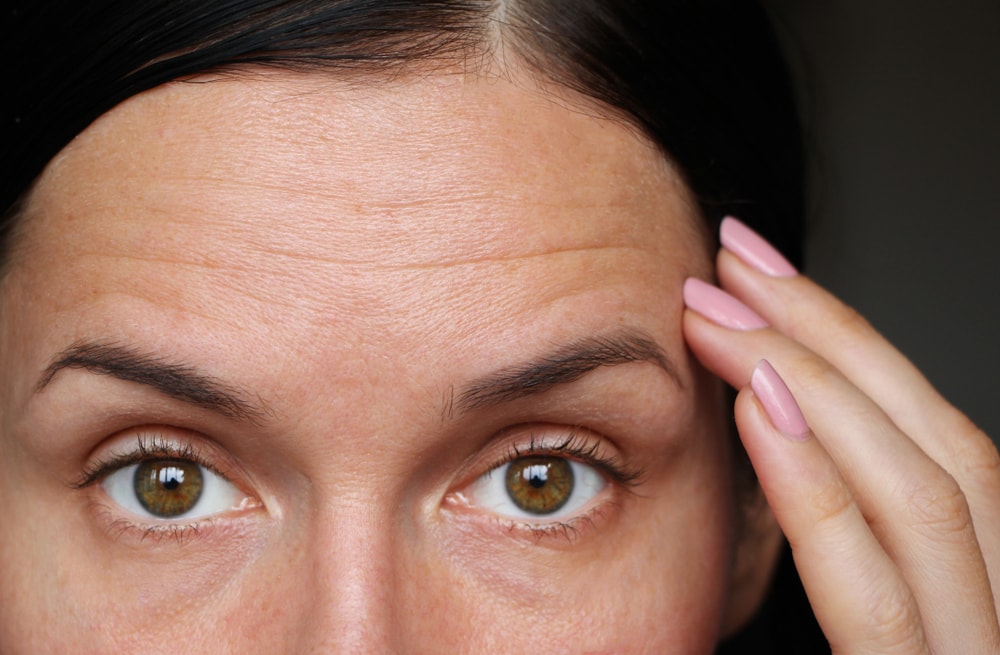
Eyelid surgery, medically referred to as blepharoplasty, is a facial rejuvenation procedure designed to enhance the appearance of the upper eyelids, lower eyelids, or both. This procedure offers both aesthetic and (in certain cases) functional benefits and can help patients look and feel younger and more confident. During the natural aging process, eyelids begin to sag and under-eye bags can develop and remain even after a restful sleep. It is possible to address these common concerns with eyelid surgery, a procedure that can restore a smooth, alert appearance to the eye area by excising excess skin, fat, and muscle from the upper eyelid and sometimes the lower eyelid as well. While mainly a cosmetic procedure, health insurance may cover part of the cost of blepharoplasty if extreme hooding of the upper eyelids is obscuring vision.
Blepharoplasty is a highly customizable procedure. Eyelid surgery can address the upper eyelids, lower eyelids, or both, utilizing various techniques to address the extent and location of excess tissue. During your blepharoplasty consultation with our board-certified plastic surgeon, Dr. Charles Perry can help you decide whether eyelid surgery can achieve the look you desire.
Quick Facts About Eyelid Surgery Procedures
- Sedation:
- General or local anesthesia; oral or intravenous sedation (strategies can be combined as needed)
- Inpatient/Outpatient:
- Outpatient
- Potential Benefits:
- A more rested, vibrant, and youthful facial aesthetic; improved vision (in certain cases)
- Recovery:
- Approximately one to two weeks off of work; strenuous activity can typically be resumed after four to six weeks
- Cost:
- Approximately $3,516 to $7,104

Explore Topics On This Page:
- Eyelid Surgery Candidates
- Complementary Procedures to Eyelid Surgery
- Eyelid Surgery Procedure
- Eyelid Surgery Recovery
- Eyelid Surgery Scars
- Eyelid Surgery Results
- Eyelid Surgery Alternatives
- Eyelid Surgery Cost
- Eyelid Surgery Considerations
- Eyelid Surgery Risks
- Eyelid Surgery Pre- and Post-Op Instructions
- Eyelid Surgery Additional FAQs
Eyelid Surgery (Blepharoplasty) Before-And-After Photos*
 Before
 After
 Before
 After
What Makes Someone a Good Candidate for Eyelid Surgery?
Eyelid surgery (blepharoplasty) is often helpful for men and women who have sagging of the eyelids as a result of aging or genetics. While most patients who undergo eyelid surgery are over the age of 35, eyelid surgery can be performed at nearly any age. Good candidates for eyelid surgery are healthy, mentally stable, and understanding of the procedure’s limitations.
Eyelid surgery is not recommended for:
- Individuals suffering from certain medical conditions – Medical issues including diabetes, dry eyes, high blood pressure, cardiovascular disease, hypothyroidism, Graves’ disease, detached retina, or glaucoma could cause complications. In many cases, these medical conditions will not disqualify you from undergoing eyelid surgery, but you should discuss them with your surgeon and eye doctor.
- Individuals with unrealistic cosmetic expectations
- Individuals suffering from certain medical conditions – These conditions are best addressed with BOTOX® Cosmetic, brow lift surgery, and other procedures.
**Disclaimer: If you are a smoker, you MUST DISCONTINUE smoking a minimum of 4 weeks BEFORE & AFTER SURGERY. A nicotine test will be administered.**
Complementary Procedures to Eyelid Surgery
At Chrysalis Cosmetics, we can frequently combine blepharoplasty with other facial rejuvenation procedures – such as facelift or brow lift surgery – for a more comprehensive enhancement.
In some cases, a patient’s cosmetic complaints are best addressed with a brow lift rather than eyelid surgery. As a general rule, if your eyelids have excess skin and fat, either with or without under-eye bags, you are an ideal candidate for eyelid surgery; if your primary problem is drooping eyebrows, brow lift surgery may be the better choice. That said, by combining the two procedures (sometimes along with additional treatments), Dr. Perry can produce a much more refreshed and youthful look.
How Is Eyelid Surgery Performed?
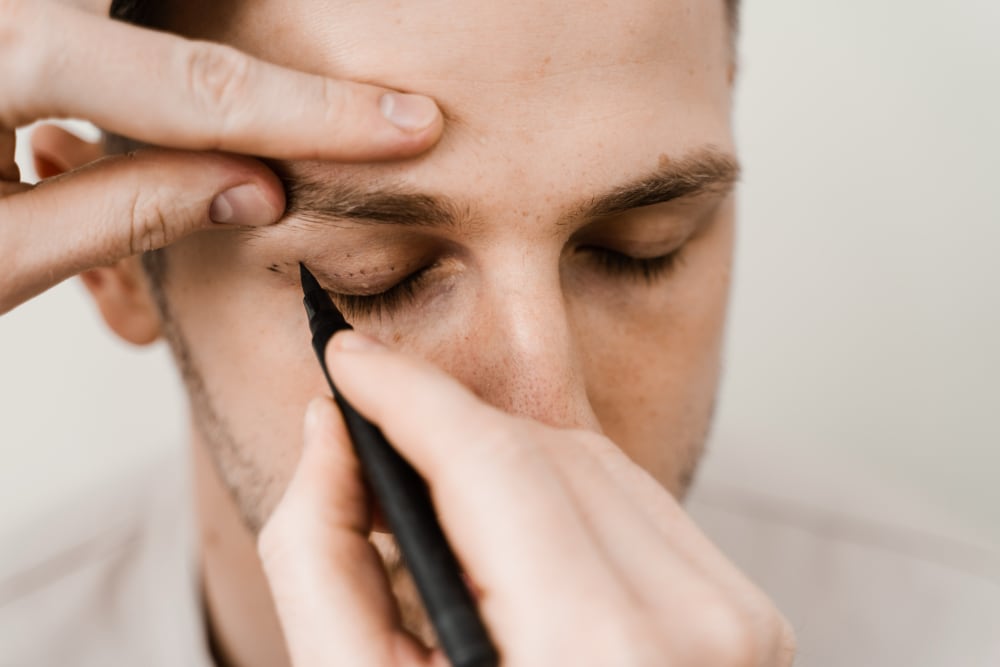
Blepharoplasty is most often performed under a combination of local anesthesia and oral or intravenous sedation. This approach best allows the surgeon to assess the progress of the surgery. In some cases, however, eyelid surgery is performed under general anesthesia. Eyelid surgery is an outpatient surgery, meaning you should be able to return home the same day. There are many techniques that can be used to address the upper and lower eyelids. For the upper eyelids, Dr. Perry typically makes an incision in the crease of the eyelid fold, where a scar should be unnoticeable once properly healed. For the lower eyelids, he may be able to place the incision along the lash line or within the lower eyelid. This latter approach is also known as a transconjunctival incision. In both cases, the resulting scar is almost completely imperceptible.

What Is Eyelid Surgery Recovery Like?
We take great care to ensure our patients have as smooth a recovery experience as possible. We will provide prescription medication to help you feel more comfortable and reduce pain. Most patients take a week or two off from work to heal, and you can wear sunglasses during this period and beyond to cover the visible effects of surgery, such as bruising and swelling. These symptoms should gradually fade as you heal. We urge individuals to avoid strenuous exercise and activities for at least four to six weeks after the operation. Additionally, eye drops will be prescribed to address any dry eye symptoms that may occur until they have passed.

What Will Eyelid Surgery Scars Look Like?
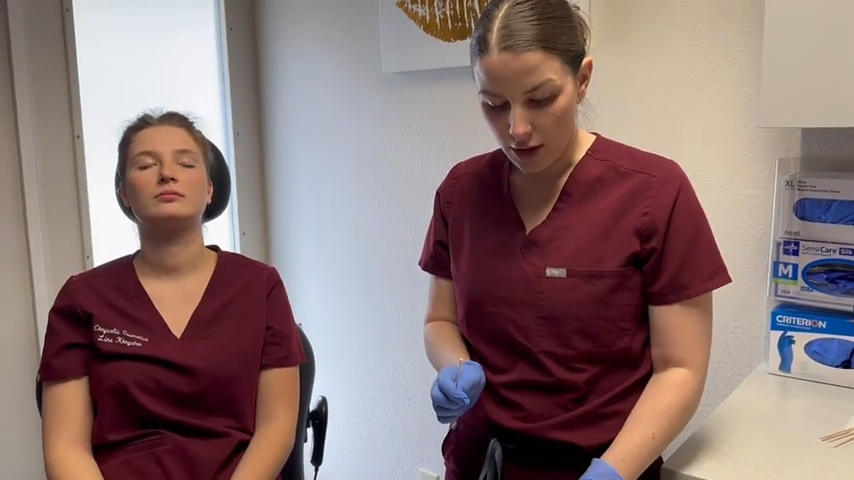
Well-healed scars are almost completely unnoticeable for most patients, and depending on the technique used, you may not be able to identify where the incisions were placed once fully healed. Dr. Perry takes great care when performing surgery to leave as few lasting marks as possible. He will discuss the anticipated outcome of your unique treatment plan during your initial consultation.
How Long Do Eyelid Surgery Results Last?
Generally, results from eyelid surgery have been found to last about seven years, and even up to 10 years or more in some cases. To increase the chances that outcomes from eyelid surgery last as long as possible, it is important to maintain a daily skin care regimen, wear sunscreen, and avoid smoking. Adequate skin care precautions and healthy lifestyle habits can go a long way toward helping patients maintain the results of eyelid surgery for many years.
Are There Any Non-Surgical Alternatives to Blepharoplasty?
It is not possible for a non-surgical procedure to achieve results as significant and long-lasting as those that can be achieved with surgical blepharoplasty. However, there are non-surgical alternatives to eyelid surgery that may be an effective solution depending on the patient’s needs and ultimate goals. For individuals who have certain types of aesthetic concerns around the eyes that are not excessively severe, an injectable treatment such as BOTOX® Cosmetic may be appropriate. BOTOX® injections can be useful for temporarily smoothing away signs of crow’s feet around the eyes and furrows between the brows. For patients experiencing hollowness in the tear troughs, injectable dermal fillers may be an ideal alternative. Other non-surgical treatments that can provide some degree of rejuvenation may also be recommended, depending on the specific concerns that patients would like to address. With all of this in mind, non-surgical solutions will not offer the length of results for which eyelid surgery is capable, and they will not be effective for some types of conditions that eyelid surgery is designed to treat.
During your initial consultation, Dr. Perry will be happy to answer your questions and help you determine whether blepharoplasty or another kind of procedure is most appropriate for your goals.
How Much Does Eyelid Surgery Cost?
The total cost of eyelid surgery (blepharoplasty) at our practice usually falls in the range of $3,516 to $7,103, which is an estimated range that includes all costs associated with the procedure. The price is different among patients depending on whether they are having upper and/or lower eyelid surgery and other unique factors. If you are electing to have eyelid surgery for purely cosmetic reasons, medical insurance will not cover the cost of treatment. In this case, the full cost will be your responsibility. The price of eyelid surgery will vary depending on the details of your individual treatment plan, which Dr. Perry will review with you. The final total will be based on cost factors such as the type and extent of eyelid surgery being performed, fees for anesthesiology, fees for the surgeon and the hospital facility, and other incidentals. It is our belief that patients can make the best decisions for their treatment when they have as much information as possible, so we will provide an overview of the expected total price during your consultation. To further assist you, we work with a reputable plastic surgery financing company, which offers qualified applicants low- and no-interest payment plans with appealing terms.

Things to Consider Before Undergoing Eyelid Surgery
Financial Responsibilities
Fees for blepharoplasty are not covered by health insurance. Surgical fees include the cost of anesthesia, lab tests, medications, cost of surgical supplies, surgery center charges, and more. If complications develop, you will incur additional charges. However, if the complication poses a health risk, your health plan will cover hospitalization, anesthesia, and/or secondary surgery.
Risks of Eyelid Surgery
Eyelid surgery, just like any surgical procedure, carries some risks. Patients should be aware that it is possible to experience one or more complications following blepharoplasty, and their incidence is usually impossible to predict. Be aware that the following list is not comprehensive; Dr. Perry will discuss other potential risks at your consultation.
Bleeding
Though unlikely, it is possible for eyelid surgery to cause excessive bleeding, either during or after surgery. To decrease the chance of bleeding, avoid aspirin, anti-inflammatory medications, nonprescription herbs, and dietary supplements, as directed by Dr. Perry. High blood pressure can also predispose a patient to bleeding.
Infection
The eyeball’s abundant blood supply makes infection extremely rare, though it is possible. In the case of infection, additional treatment, such as the prescription of antibiotics and hospitalization, may be required.
Scarring
It is possible for abnormal scarring to occur in the eyelid and the deeper tissues following blepharoplasty. In addition, sutures can cause cysts or visible marks along the eyelid. Scarring may necessitate additional treatment.
Damage To The Eye’s Structures
The eye is delicate, and eyelid surgery is a complicated surgery that involves a great deal of skill. Even when undergoing eyelid surgery with the most experienced surgeon, it’s possible for deeper structures — eye muscles, nerves, blood vessels, etc. — to be damaged. This injury can be temporary or lasting. Eyelash loss, double vision, and drooping of the eyelid can occur, as well as blindness.
Dry Eye Problems
Dry eye problems caused by decreased tear production are a possible complication of eyelid surgery. This side effect is rare and impossible to predict, and can be treated with eye drops and ointments. If you suffer from dry eyes, mention this to Dr. Perry when considering eyelid surgery, as it may affect your candidacy.
Asymmetry
Just as the eyelids are usually naturally asymmetrical, they may still be asymmetrical following eyelid surgery. While surgeons take care to give the same treatment to each eyelid, symmetry is impossible to predict.
Double Vision
This is rare and usually resolved in six weeks.
Drooping of The Upper Lid
This is rare and usually resolves as post-surgery swelling goes down, but if this drooping persists for more than three months, additional surgery may be necessary.
Undercorrection (Residual Skin Folds)
Many surgeons approach eyelid surgery conservatively. As a result, some residual skin folds may remain. These can be easily addressed, whereas removing too much skin during eyelid surgery is much more difficult to repair. In some cases, residual skin folds may indicate the need for brow lift surgery.
Eyelash Loss
Eyelash loss in the lower lid area following blepharoplasty is impossible to predict and can be either temporary or permanent.
Unsatisfactory Result
A poor blepharoplasty result can stem from visible deformities, loss of eyesight, wound disruption, loss of sensation, and other factors. In rare cases, additional surgery, possibly brow lift, may be necessary to improve results. Additionally, long-term alterations in the eyelids’ appearance can occur.
Complete Pre- and Post-operative Instructions for Eyelid Surgery Patients
To make your eyelid surgery experience at our practice a positive one, we have prepared this comprehensive list of instructions. We recommend that you read them over as soon as your surgery day is scheduled. On your surgery day, please print them out and bring them with you.
Eyelid Surgery (blepharoplasty) Instructions (printer-friendly)
Frequently Asked Questions
Is blepharoplasty painful?
Can eyelid surgery improve vision?
Is eyelid surgery covered by insurance?
How can I reduce swelling after eyelid surgery?
When can I wear contact lenses again after eyelid surgery?
When can I wear makeup again after eyelid surgery?
Those who are interested in blepharoplasty should contact our Sacramento practice today for more information about the procedure or to schedule a consultation with Dr. Perry.
*Individual Results May Vary